Billet (Circular Ingot)
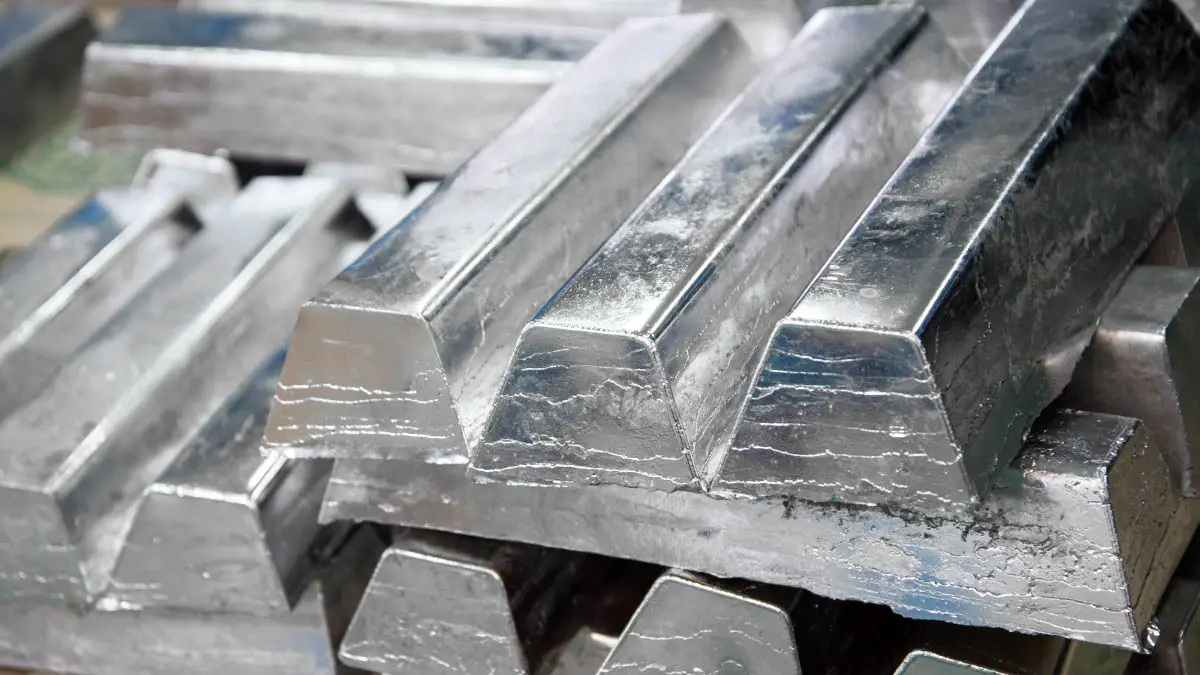
Aluminum Billet
- Low Carbon Billet (within the scope of TS EN ISO 14067)
- Standard Billets
As Pancast Aluminum, we can produce in different lengths with diameters of 5’’,6’’,7’’,8’’,9’’,10” and qualities of 1xxx, 2xxx, 3xxx, 4xxx, 5xxx, 6xxx,7xxx, 8xxx. Our high-quality raw materials that are used in production allow our products to be available in global markets.
In addition, in each casting, chemical composition, hydrogen, metallography and ultrasonic tests are carried out. Based on the demands of our customers, we can produce with every size and alloy.
Based on the demands of our customers, and with the goal of carbon neutral, we can produce custom products in conformity with the ISO 14067: Carbon footprint of products.
Production Process
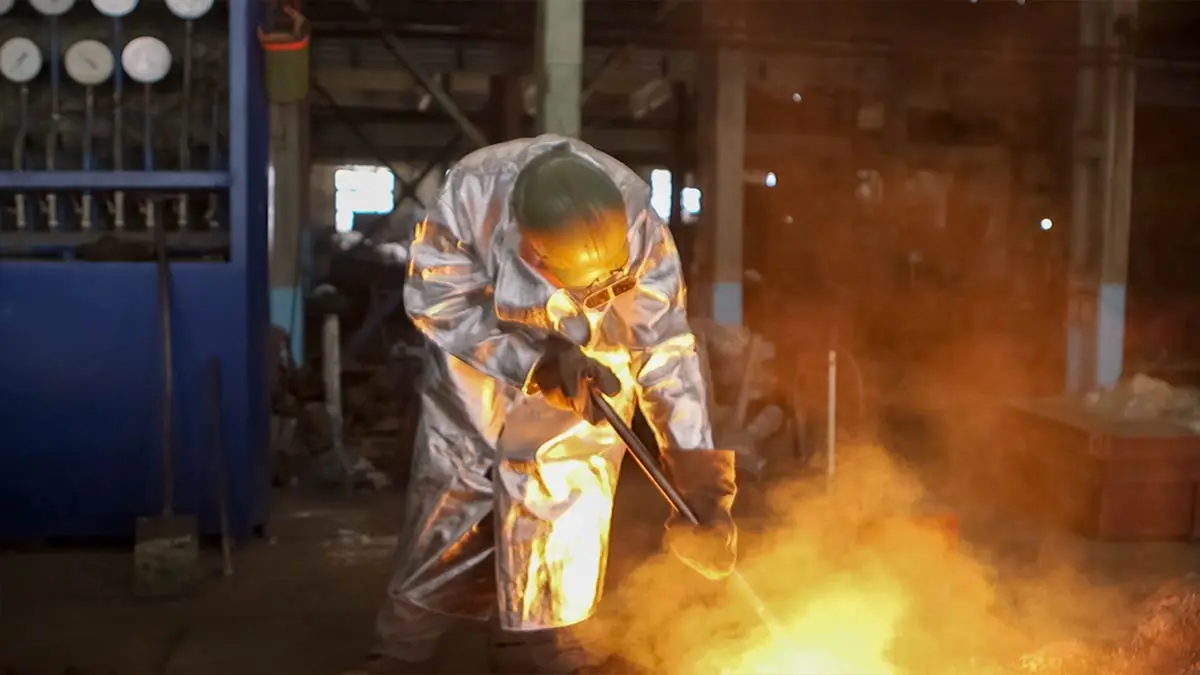
Our aluminum billet production is carried out by using the state-of-the-art casting machinery and utilizing homogeneous and cooling systems.

Melting
The raw material is melted with high temperatures, and liquid aluminum is acquired. At this stage, the raw material is constantly stirred to have the melted aluminum to mix homogenously. This allows the equal distribution of components.
Casting
The homogenous liquid aluminum is casted into identified molds. During the casting, the control of the temperature and flowrate helps keep the homogeneous structure.

Homogenization
The melted aluminum is subjected to the homogenization process. This process is carried out with temperature and time control and allows the chemical compound of the material to be equal everywhere. Homogenization helps balance the internal structure and make the micro-structure in different areas compatible.
Cooling
The cast aluminum is left to cool for a certain duration. The cooling speed affects the internal structure of the material and contribute to maintaining the homogeneity. While slow cooling can help crystal structures to become more homogenous, rapid cooling can create different properties.
Cutting and Quality Control
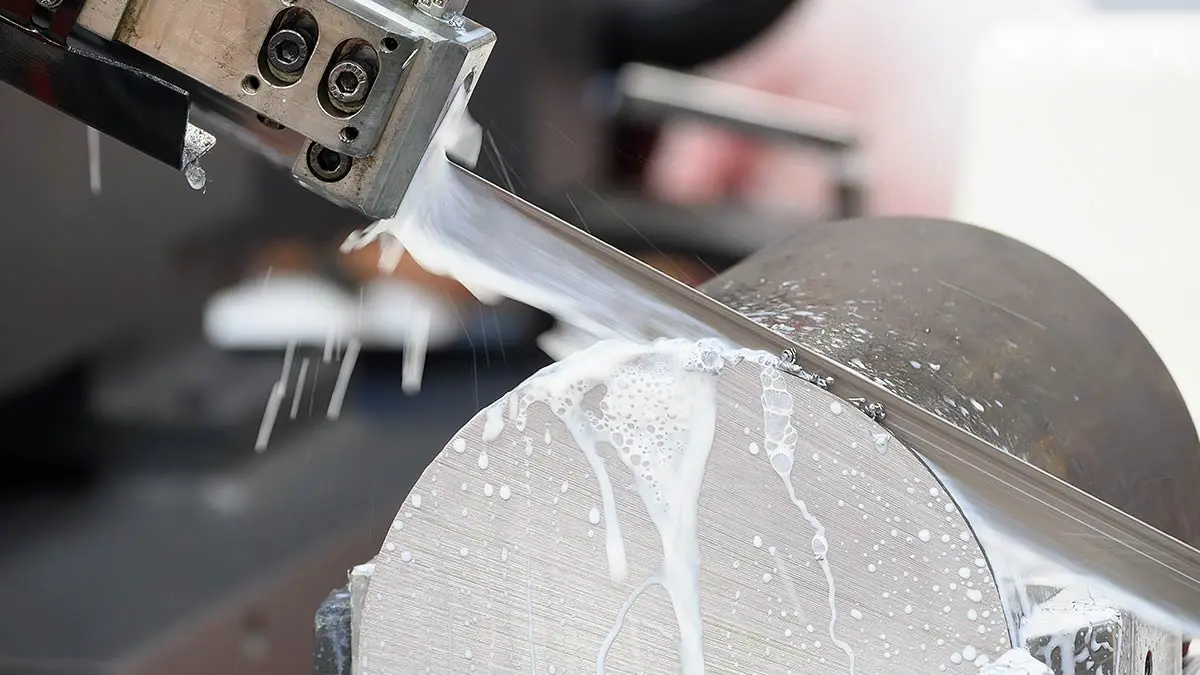
The cooled billets are cut in established sizes and are subjected to quality control tests. At this stage, criteria such as chemical composition, mechanical strength and surface quality are reviewed.
Alloys
Aluminum Billet alloys are produced for different applications and needs. Aluminum alloys are generally selected based on factors such as certain mechanical properties, strength, machineability or corrosion resistance.
6060 / 6063
AlMgSi
Light and easily malleable for architectural applications and building materials.
6005
AlMgSi
Provides higher strength for structural applications.
6082
AlSiMgMn
Used in construction and engineering applications with its high strength properties.
6061
AlMgSiCu
This is a multi-dimensional and high-strength alloy and has use wide uses cases such as in automative and aviation.
6463
AlMgSi
Used in decorative applications that need high surface quality and aesthetic appearance.
1070
Al99.7
Provides good conductivity and corrosion resistance with its high purity aluminum content.
1080
Al99.8
Alloy with pure aluminum content and that has perfect conductivity and corrosion resistance.
3103
AlMn
Provides good corrosion resistance and machineability and is especially fit for HVAC systems and general engineering applications.
NOTE: OUR PRODUCTS ARE PRODUCED IN CONFORMITY WITH TS EN 573-3 (CHEMICAL COMPOSITION RANGES) STANDARD.